
Choosing Your Trading Hub: How to Compare Forex Trading Platforms Effectively
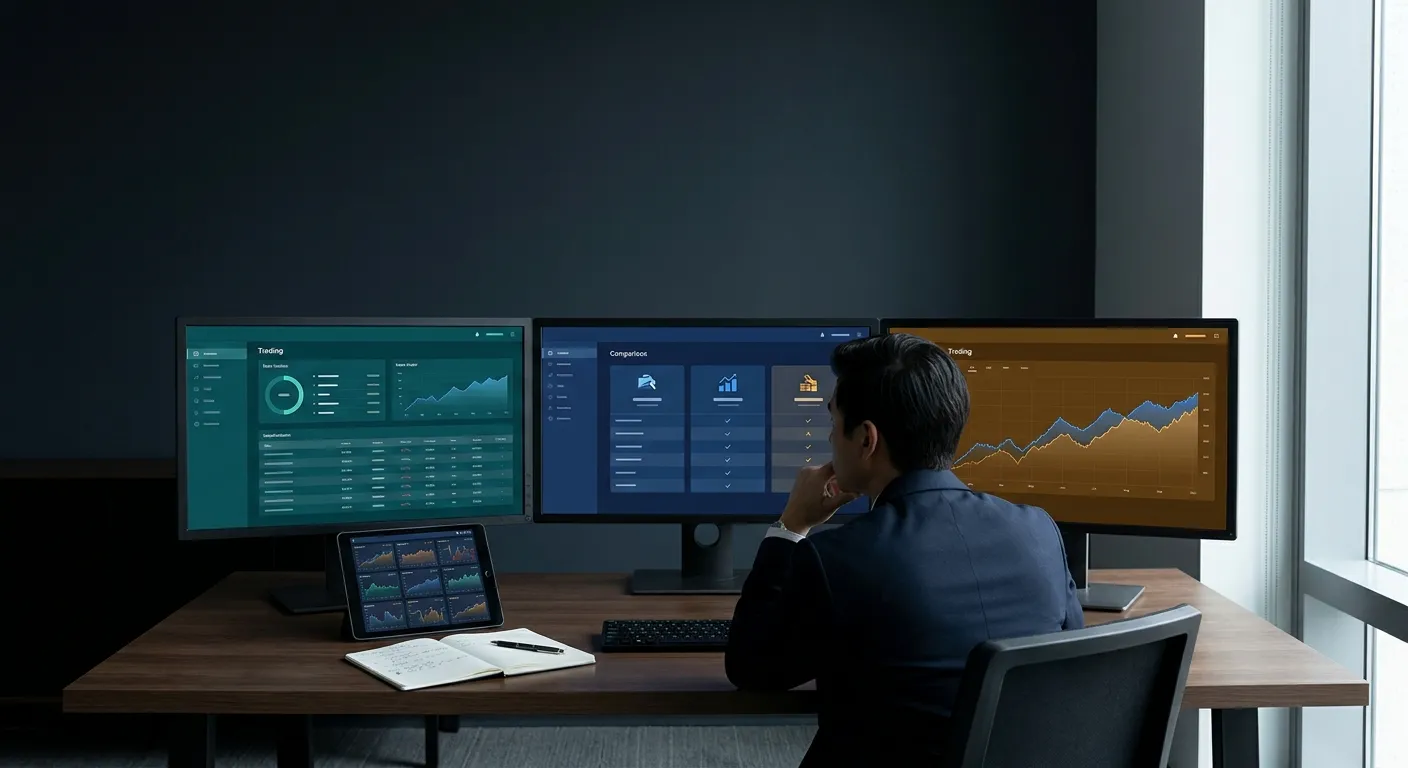
In the intensely competitive forex market of 2025-2026, where over 3,400 active brokers vie for attention, the trading platform you choose is more than just software; it’s your central hub for market analysis, trade execution, and risk management. With technological advancements, particularly in areas like artificial intelligence, shaping new tools, knowing how to compare forex trading platforms effectively has become a critical skill for traders of all experience levels. This guide will walk you through the essential criteria, ensuring you select a platform that aligns with your individual trading style and objectives.
The Platform Landscape: Beyond the Basics
The landscape of forex trading platforms is diverse, featuring industry mainstays like MetaTrader 4 (MT4) and MetaTrader 5 (MT5), cTrader, and an increasing number of sophisticated proprietary platforms developed by brokers themselves. Each offers a unique set of features, tools, and user experiences. The challenge lies in discerning which platform truly offers the best fit for your needs, rather than simply opting for the most popular or advertised option.
When you compare forex trading platforms, consider these core aspects:
- Charting Tools and Technical Analysis: A robust platform will offer a wide array of charting types, indicators, and drawing tools to facilitate in-depth technical analysis. Look for customizable charts, multiple timeframes, and the ability to save templates.
- Order Execution Speed and Reliability: In a fast-moving market, milliseconds matter. Evaluate platforms for their execution speed, minimal slippage, and reliability, especially during volatile periods. This is often linked to the broker’s infrastructure and liquidity providers.
- Automated Trading Capabilities: If you’re interested in algorithmic trading, ensure the platform supports Expert Advisors (EAs) or offers its own automated trading functionalities. Compatibility with various programming languages (e.g., MQL4/5 for MetaTrader) can be a significant advantage.
- Mobile Trading Experience: With traders increasingly on the go, a seamless and fully functional mobile app is indispensable. Check for feature parity with the desktop version, intuitive navigation, and secure access.
- User Interface and Customization: A clean, intuitive interface reduces the learning curve and enhances efficiency. The ability to customize layouts, watchlists, and hotkeys can significantly improve your trading workflow.
Matching Platform Features to Your Trading Style
Your trading style – be it scalping, day trading, swing trading, or long-term investing – should dictate your platform choice. A scalper, for instance, will prioritize ultra-fast execution and level II pricing, while a swing trader might focus more on advanced charting and comprehensive news feeds. Our transparent methodology at Forex Brokers Net helps traders understand these nuances.
For instance, day traders require platforms with rapid order entry and exit options. They also benefit from integrated economic calendars and real-time news feeds. Conversely, position traders might prioritize platforms offering extensive historical data for backtesting strategies over longer periods. Therefore, aligning platform capabilities with your specific methodology is paramount.
Evaluating Essential Functionality
Beyond the basics, several other functionalities warrant close examination when you look to compare forex trading platforms. These often differentiate a merely adequate platform from an exceptional one. Importantly, these features contribute significantly to a trader’s overall efficiency and potential profitability.
- Advanced Order Types: Does the platform support sophisticated order types like OCO (One Cancels the Other) or OTO (One Triggers the Other)? These can be vital for managing risk and automating entry/exit strategies.
- Integrated News and Economic Calendar: Real-time news feeds and an economic calendar directly within the platform save time. They allow traders to react swiftly to market-moving events without switching applications.
- Analytical Tools and Indicators: While basic charting is expected, look for unique or advanced indicators. Consider features like heatmaps, sentiment indicators, or pattern recognition tools. These can provide a significant edge.
- Backtesting and Optimization: For algorithmic traders, robust backtesting capabilities are non-negotiable. The platform should allow for thorough testing of EAs using historical data. It should also offer optimization tools to fine-tune parameters.
- Educational Resources and Support: Especially for newer traders, platforms offering integrated tutorials, webinars, or responsive customer support can be invaluable. This enhances the learning curve and addresses issues promptly.
Security and Reliability Considerations
Security is paramount when dealing with financial transactions. Consequently, thoroughly vetting a platform’s security measures is essential. Traders entrust their capital and personal information to these systems. Therefore, robust encryption, two-factor authentication (2FA), and clear data privacy policies are non-negotiable. Furthermore, a platform’s reliability extends to its uptime and stability. Frequent crashes or connection issues can lead to missed opportunities or significant losses. Always investigate a platform’s historical performance in this regard. This due diligence helps you to compare forex trading platforms effectively and safely.
Understanding Broker-Specific Platforms vs. Third-Party Solutions
The choice between a broker’s proprietary platform and widely adopted third-party solutions like MetaTrader or cTrader is a significant decision. Each type offers distinct advantages and disadvantages. Proprietary platforms are often tailored to a broker’s specific offerings, sometimes integrating unique tools or educational content. However, they may lack the broad community support and extensive libraries of indicators and EAs available for MetaTrader.
Third-party platforms, on the other hand, offer familiarity across different brokers. This means traders can switch brokers without learning a new interface. This flexibility is a considerable benefit for many. Ultimately, when you compare forex trading platforms, consider the trade-offs between specialization and universality.
The Role of Artificial Intelligence and Advanced Analytics
The forex market is rapidly evolving with AI and machine learning. These technologies are now integrating into trading platforms, offering predictive analytics, enhanced risk management, and personalized trading insights. Platforms leveraging AI can analyze vast datasets, identify subtle patterns, and even suggest optimal entry and exit points. This represents a significant advancement for traders.
When evaluating modern platforms, inquire about their AI capabilities. Are there tools for sentiment analysis powered by AI? Does the platform offer AI-driven risk assessment? These features can provide a competitive edge. As a result, they are becoming increasingly important for traders looking to stay ahead. Therefore, consider platforms that are embracing these technological innovations when you compare forex trading platforms.
Cost Implications and Fee Structures
The cost associated with using a trading platform can vary significantly. While many brokers offer popular platforms like MT4/MT5 for free, some proprietary platforms or advanced tools might come with subscription fees. Furthermore, consider the trading costs associated with the platform, such as spreads, commissions, and swap fees. These can vary based on the platform and account type.
It is crucial to understand the entire fee structure before committing to a platform and broker. Transparent pricing is a hallmark of reputable brokers. Always scrutinize the terms and conditions. Ensure there are no hidden charges. This comprehensive approach to cost analysis is vital when you compare forex trading platforms.
Leveraging Demo Accounts for Informed Decisions
One of the most effective ways to compare forex trading platforms is by utilizing demo accounts. Most reputable brokers offer free demo accounts that simulate real trading conditions with virtual money. This allows traders to explore the platform’s features, test their strategies, and familiarize themselves with the interface without risking actual capital.
Spend sufficient time on a demo account. Evaluate the charting tools, order execution, and overall user experience. This hands-on approach provides invaluable insight. It helps you determine if a platform genuinely meets your needs. Consequently, it’s an indispensable step in your selection process. Utilize this opportunity to truly understand how to compare forex trading platforms in practice.
Regulatory Compliance and Trustworthiness
The regulatory status of a broker directly impacts the safety of your funds. Consequently, the platform offered by a regulated broker is generally more trustworthy. Always choose brokers overseen by reputable financial authorities. Examples include the FCA in the UK, ASIC in Australia, or CySEC in Cyprus. Regulatory oversight ensures adherence to strict operational standards and client fund protection. This is a crucial factor when you compare forex trading platforms.
Furthermore, investigate the broker’s reputation. Look for independent reviews and feedback from other traders. A long-standing history of reliability and positive client experiences is a strong indicator of trustworthiness. Ultimately, choosing a regulated and reputable broker is paramount for securing your trading environment.
Community and Support Ecosystem
A thriving community around a trading platform can be a significant asset. Platforms like MetaTrader benefit from vast online communities where traders share strategies, indicators, and EAs. This collaborative environment fosters learning and problem-solving. Furthermore, the quality of customer support provided by the broker is equally important. Responsive and knowledgeable support can resolve technical issues quickly. It also provides guidance on platform functionalities.
When you compare forex trading platforms, consider the availability of educational resources. Does the broker offer tutorials or webinars specific to their platform? Strong support and a vibrant community enhance the overall trading experience. They also contribute to a trader’s long-term success. For instance, the MQL5 community for MetaTrader users is a prime example of a robust support ecosystem. Visit MQL5.com for more information on their extensive resources.
Advanced Features for Enhanced Trading
Beyond the fundamental tools, several advanced features can significantly enhance a trader’s capabilities. These often cater to more experienced users or those with specific trading strategies. For example, some platforms offer built-in social trading features, allowing users to copy the trades of successful investors. This can be a valuable tool for learning or diversifying strategies.
Additionally, look for platforms that integrate with third-party tools or APIs. This flexibility allows traders to connect their platform to other analytical software or custom scripts. Consider features like advanced market depth (Level II pricing), which provides a more granular view of supply and demand. Furthermore, platforms with robust reporting and analytics tools can help traders track performance, identify strengths, and pinpoint areas for improvement. These advanced functionalities are crucial for traders looking to optimize their trading edge. Therefore, exploring these options is essential when you compare forex trading platforms.
Personalized Trading Experience
The ideal trading platform should offer a highly personalized experience. This means the ability to customize almost every aspect of the interface to suit individual preferences. From custom chart layouts and color schemes to personalized watchlists and alert systems, a truly flexible platform empowers traders. It allows them to create an environment that maximizes their efficiency and comfort. This level of customization reduces cognitive load and enhances focus. Ultimately, a personalized setup contributes significantly to a positive trading experience. It also allows traders to work more effectively within their chosen trading style.
Conclusion: Making an Informed Decision
Selecting the right forex trading platform is a critical decision that impacts your trading journey significantly. It requires careful consideration of various factors, from core functionalities and security to cost, regulatory compliance, and advanced features. By thoroughly evaluating each criterion, leveraging demo accounts, and understanding your specific trading needs, you can make an informed choice. Remember, the best platform is the one that aligns perfectly with your individual style and objectives, providing a reliable, efficient, and secure environment for your trading activities. We at ForexBrokers.net are committed to helping you navigate this complex landscape, ensuring you choose wisely. Our comprehensive reviews are designed to help you compare forex trading platforms with confidence. For further insights into the forex market, consider resources like Investopedia’s guide to forex trading.
FAQ: Frequently Asked Questions About Forex Trading Platforms
What are the most popular forex trading platforms?
MetaTrader 4 (MT4) and MetaTrader 5 (MT5) are widely recognized as the most popular platforms due to their extensive features and large community. cTrader is another strong contender, known for its advanced charting and transparent pricing. Many brokers also offer their own proprietary platforms, each with unique advantages.
How important is mobile trading functionality?
Mobile trading functionality is increasingly important for many traders. A robust mobile app allows you to monitor markets, execute trades, and manage positions while on the go. Look for apps that offer a similar range of features to the desktop version and ensure they are secure and easy to use.
Should I use a demo account before committing to a live platform?
Absolutely. Using a demo account is highly recommended. It allows you to test the platform’s features, familiarize yourself with its interface, and practice your trading strategies using virtual funds. This helps you gain confidence and ensure the platform meets your needs without any financial risk.
What should I look for in terms of platform security?
For platform security, prioritize features like two-factor authentication (2FA), strong encryption for data transmission, and clear data privacy policies. Ensure the broker offering the platform is regulated by a reputable financial authority, as this adds an extra layer of protection for your funds.
How do proprietary platforms differ from third-party solutions?
Proprietary platforms are developed by brokers themselves, often tailored to their specific services and offerings. Third-party solutions, like MetaTrader, are developed independently and offered by many different brokers. Proprietary platforms might offer unique integrations, while third-party platforms provide familiarity and a broader community across various brokers.
Explore more: More from Forex Brokers Net
